Shopping Cart

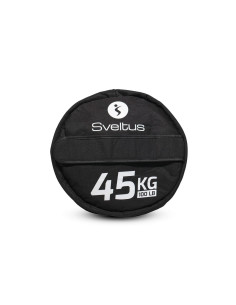
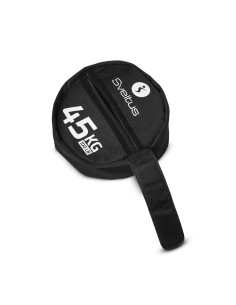
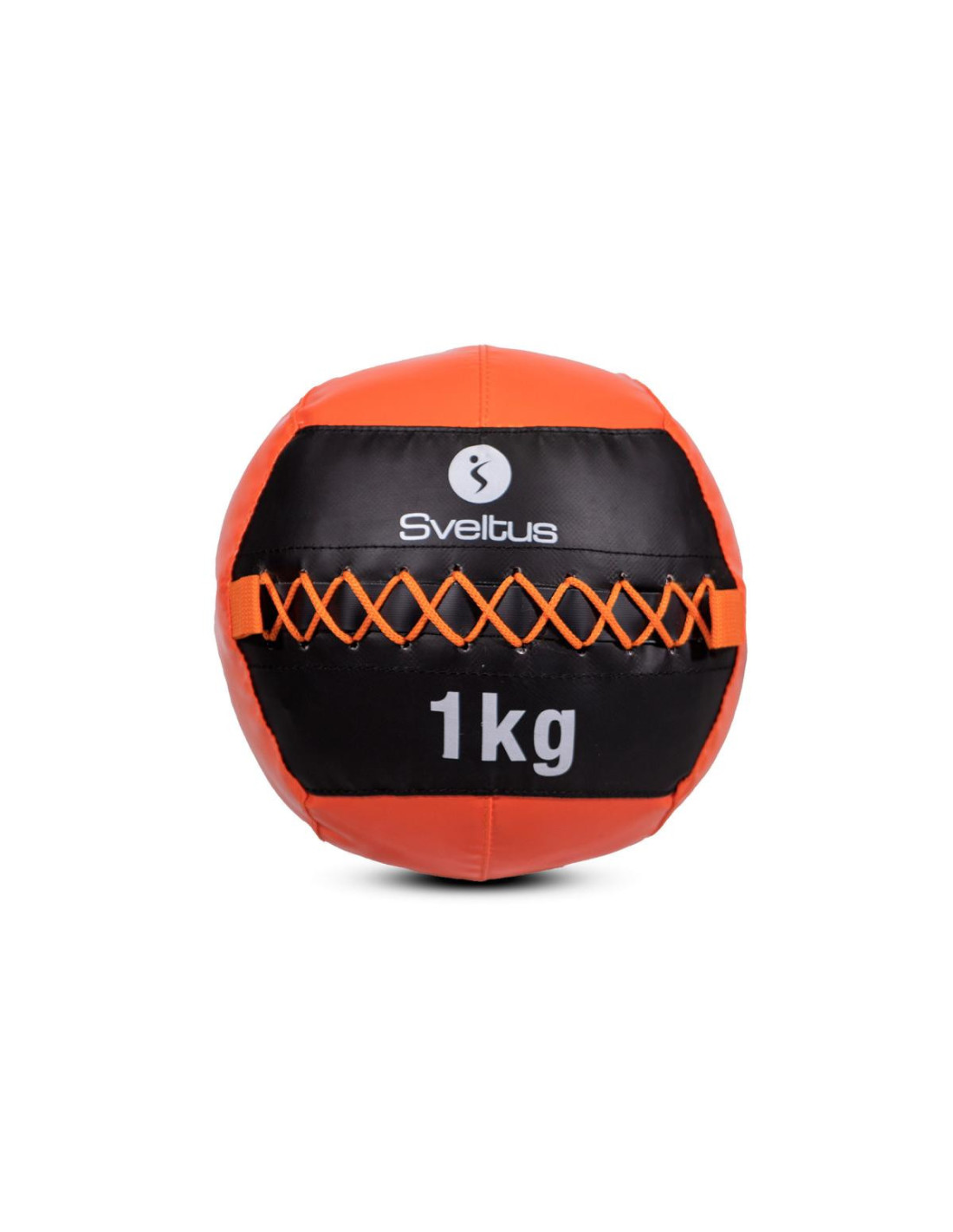
Weighted balls for wall balls, throws and rotation exercises: at PRFRM you will find the Sveltus Wallball in many weight steps from 1 to 10 kg, ideal for functional fitness, cross-training and athleticism.
Weighted balls, also called medicine balls, are versatile training tools for functional and explosive exercises. You use them for throwing, pushing and rotation movements that develop strength, coordination and explosiveness. Wall balls and Russian twists are especially popular, challenging not only the upper body but also the core muscles.
The most important points at a glance
| Model | Weights | Well suited to |
|---|---|---|
| Sveltus Wallball | 1 to 10 kg | Wall balls, throws, slams and full-body workouts |
You will see the exact weight steps on the respective product page.
Start with a weight at which you can keep your technique clean, and progress gradually. If you have any complaints or pre-existing conditions, talk to your doctor or trainer first.
| Goal | Recommendation |
|---|---|
| Technique and speed | Light ball: fast, clean repetitions |
| Strength and competition standard | Medium to heavy weight, as is usual in Functional Fitness competitions |
| Rotation and core | Light to medium ball, controlled movement |
| Multiple goals | Two to three weights cover speed and strength training |
The weights are guideline values: training level, body size and exercise are what count.
| Criterion | What to look out for |
|---|---|
| Weight steps | A wide selection lets you adapt and progress exercises individually |
| Material and surface | Non-slip, hard-wearing surface for throws against the wall and floor |
| Place of use | For throws against the wall you need a sturdy wall and enough space |
| Training | Wall balls for speed, sandbags and heavy bags for strength and carries |
Weighted balls complement kettlebells, dumbbells and other Functional tools excellently. Suitable categories: Functional Training, Strength training and Mobility & Regeneration for recovery and mobility.
| Exercise | Trains | Note |
|---|---|---|
| Ball slam | Core, shoulders, conditioning | Throw the ball forcefully onto the floor; a ball suitable for slams is best |
| Rotational throw | Core, hips | Throw sideways against the wall, then switch sides |
| Russian twist | Obliques | Controlled and with a straight back |
| Overhead throw | Shoulders, core | Throw the ball forward over your head |
| Chest pass | Chest, arms | Throw the ball from your chest against the wall |
Before doing throwing exercises, check that the wall and floor are suitable, and leave enough space around people and objects.
| Weighted ball | Kettlebell | |
|---|---|---|
| Strengths | Throws, slams, wall balls, rotation | Swings, cleans, snatches, carries |
| Movement | Explosive, throwing and catching | Swinging and controlling |
| Space | Wall and a bit of space | Very low |
| Goal | Explosiveness, conditioning, core | Strength, endurance, athleticism |
The two complement each other: Kettlebells for strength and swing, weighted balls for throwing and explosiveness.
| Goal | This helps |
|---|---|
| Conditioning and fat loss | Wall balls and slams in intervals, combined with suitable nutrition |
| Explosiveness and athleticism | Rotational throws, overhead throws and jump throws |
| Core stability | Russian twists, woodchoppers and controlled rotations |
| Functional fitness and competition | Wall ball circuit alternating with kettlebell, skipping rope or cardio machine |
Start with a weight you can throw and catch with control, and increase it gradually.
What is the difference between a weighted ball and a medicine ball?
There is none: weighted ball is simply another term for medicine ball. They are used for throwing, pushing and rotation exercises.
What weight is suitable for wall balls?
That depends on your training level and goal. Lighter balls allow fast, clean repetitions, while heavier ones demand more strength. Start lighter and work your way up.
Which exercises can I do with weighted balls?
The best known include wall balls, ball slams, Russian twists, rotational throws and goblet squats.
Are weighted balls suitable for a home gym?
Yes, they take up little space and allow varied full-body workouts. For wall balls you need a sturdy wall.
How often should I train with weighted balls?
To get started, two to three sessions per week are enough, combined with strength or endurance training.
How do I combine weighted balls sensibly?
Ideally with kettlebells, dumbbells and bodyweight exercises in circuits or interval workouts.
Which weighted ball should I choose for wall balls?
Choose a weight that lets you keep your technique clean. Many people start lighter and increase once the repetitions feel easy.
What is the difference between a wall ball and a slam ball?
A wall ball is designed for throws against the wall, a slam ball for powerful throws onto the floor. Check the details for each product.
Can I use wall balls in a flat?
Only with a suitable wall, enough space and consideration for your neighbours. Alternatively, rotation and strength exercises without throwing work well.
How often should I train with weighted balls?
Two to three sessions per week, combined with strength and endurance training, are a good guideline.